A slow heart rate, known as bradycardia, isn’t always a cause for concern, but in some cases, it can point to an underlying issue. Doctors say the key lies in understanding when it’s a normal variation and when it may need medical attention. Here’s a closer look at what a low heart rate means and the warning signs to watch for.
What is Bradycardia?
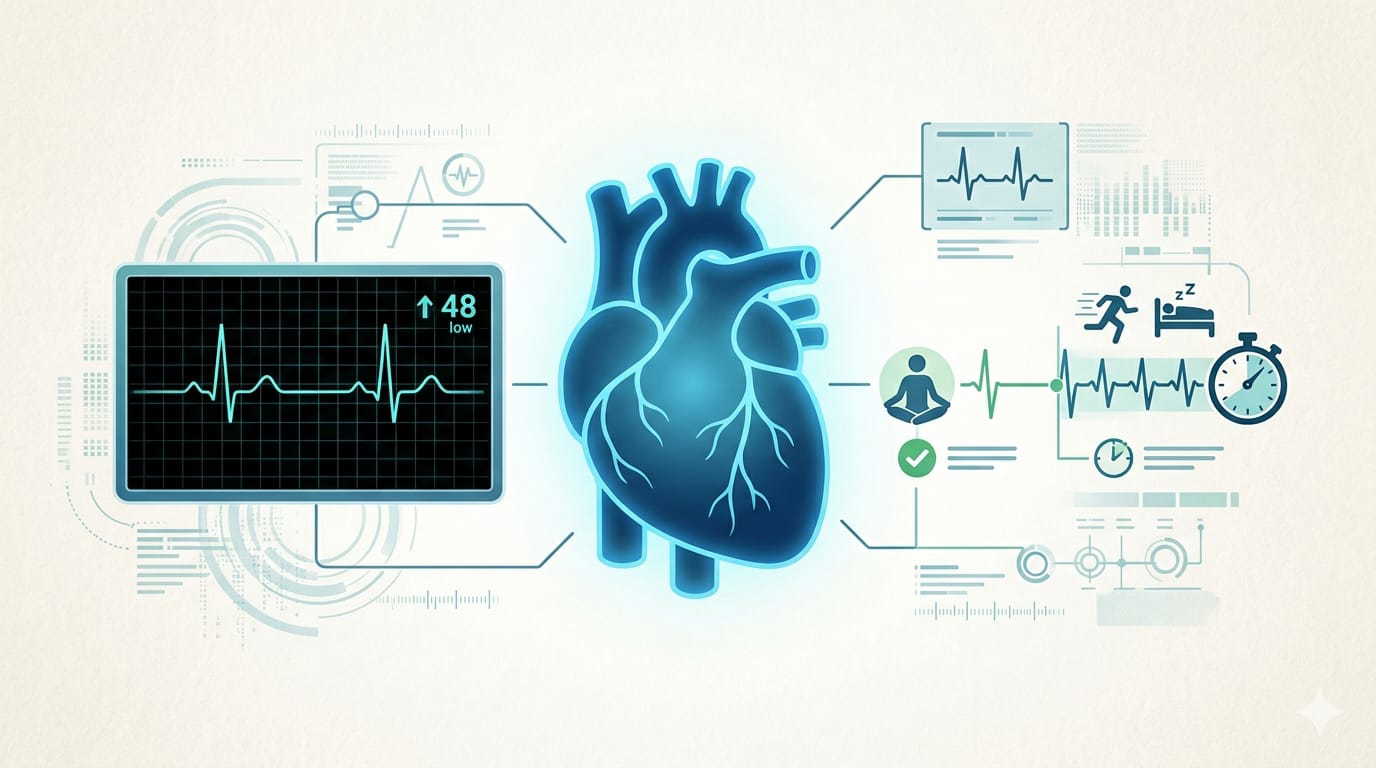
Doctors describe bradycardia as a condition where the heart beats slower than usual, typically fewer than 60 beats per minute. A normal resting heart rate for adults generally falls between 60 and 100 beats per minute.
However, a slow heart rate is not always a problem. In some cases, it can be completely normal depending on a person’s age, fitness level, and overall health.
Also Read | Tired of crowded beaches? These offbeat Indian islands offer pure serenity
When a slow heart rate is normal
According to doctors, bradycardia can be harmless in certain situations. For instance, well-trained athletes often have lower resting heart rates because their hearts pump blood more efficiently.
Heart rate can also naturally drop during sleep or periods of deep rest. Healthy young adults may also record lower readings without experiencing any symptoms.
In such cases, there is usually no cause for concern as long as the person feels well and does not experience discomfort.
When to worry about bradycardia?
Doctors say concern arises when a slow heart rate begins to affect how the body functions. If the heart cannot pump enough oxygen-rich blood, it may lead to noticeable symptoms.
Warning signs include dizziness, fatigue, shortness of breath, confusion, or fainting.
A very low heart rate, especially when it drops significantly below normal levels, can also be dangerous and may require immediate medical attention.
Possible causes behind the condition
Bradycardia is often linked to issues with the heart’s electrical system, which controls the heartbeat. Problems in this system can slow down signals that regulate the heart's rhythm.
Other contributing factors may include ageing, certain medications, infections, electrolyte imbalances, or underlying heart conditions.
In some people, conditions such as sleep apnoea or thyroid disorders can also play a role.
Also Read | Feeling anxious? Here are 8 quick ways to regain calm
What do doctors recommend?
Medical advice depends on the cause and severity of the condition. If there are no symptoms, doctors may simply monitor the situation without active treatment.
However, if symptoms appear or the condition worsens, treatment may involve adjusting medications, addressing underlying health issues, or, in some cases, using devices like a pacemaker to regulate the heart rate.
Doctors stress that anyone experiencing symptoms alongside a slow heart rate should seek medical evaluation to rule out serious complications.