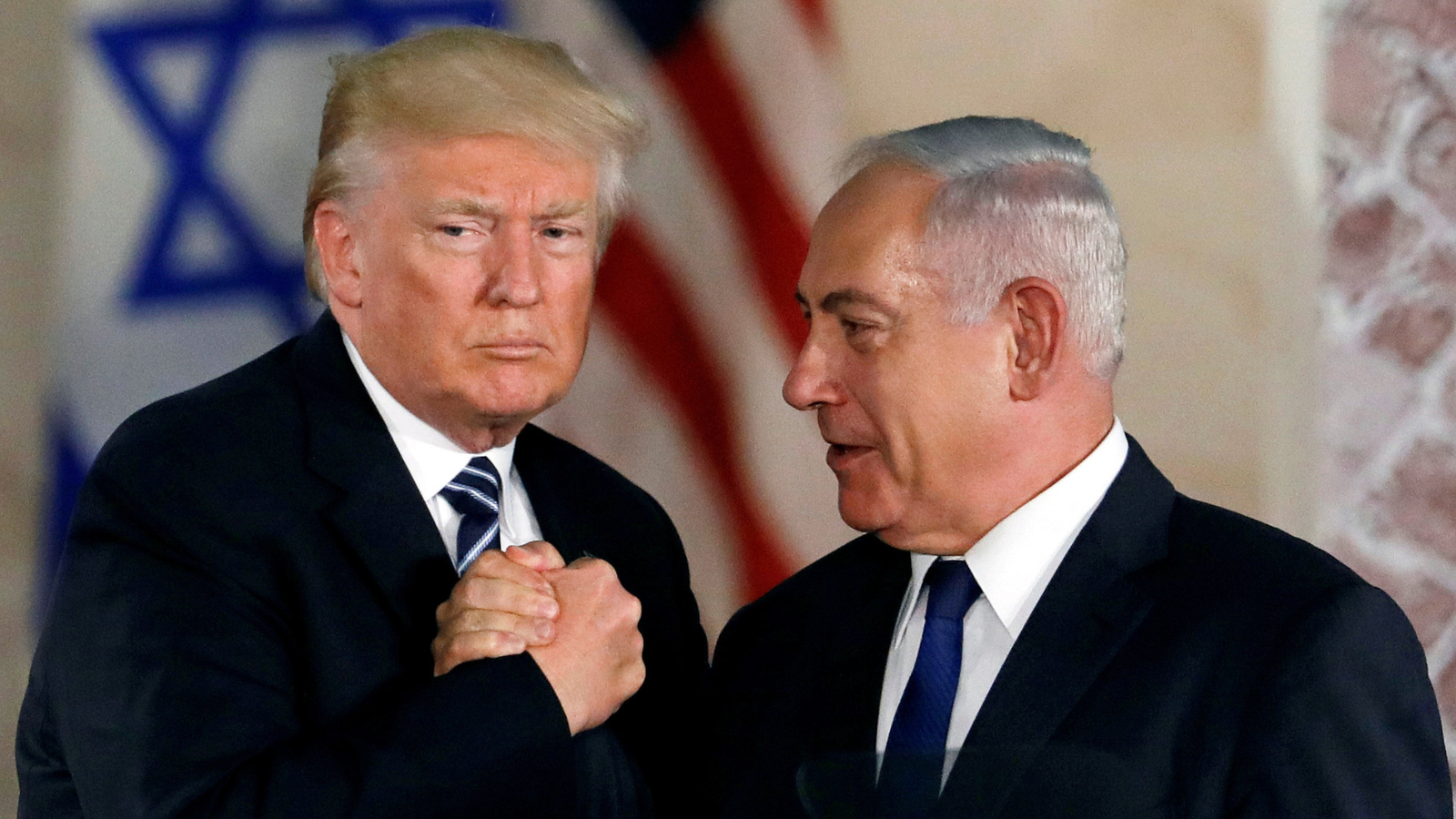
Weeks after a coordinated US–Israel offensive heightened tensions in the Gulf, signs of divergence have emerged between Donald Trump and Benjamin Netanyahu over Israel’s strike on Iran’s key energy infrastructure.
Israel’s attack on the South Pars gas field, one of Iran’s most critical assets, triggered retaliatory strikes by Tehran on energy targets across the region. The escalation has pushed global energy prices higher and prompted Gulf allies to urge Washington to restrain Israel.
Trump distances himself from strike
Speaking during an Oval Office meeting with Japanese Prime Minister Sanae Takaichi, Trump made clear he did not back the move.
On Netanyahu's decision Trump said, "I told him, 'Don't do that.” “We get along great. It's coordinated, but on occasion, he'll do something. And if I don't like it and so we're not doing that anymore."
Trump later added in a social media post that the US “knew nothing” about the attack beforehand.
Also Read | Trump says US will ‘massively blow up’ South Pars if Iran continues striking Qatar energy sites
However, according to The Associated Press, two sources familiar with the matter said Washington had prior knowledge of Israel’s plans, with one noting that targets are being coordinated.
Netanyahu stresses unity, admits acting alone
Netanyahu acknowledged that Israel “acted alone” and carried out the strike independently but said he agreed to Trump’s request to avoid further attacks on the gas field.
He downplayed any rift between the two leaders.
"It's been said that for 40 years, I've been saying that Iran is a danger to Israel and a danger to the world. That is true," Netanyahu said. "You know who else said that? President Trump."
He added, "Look, I don't think any two leaders have been as coordinated as President Trump and I. He's the leader. I'm his ally. America is the leader ."
Diverging goals come into focus
US officials have since emphasised alignment, while noting differences in strategic priorities.
Washington’s campaign has focused on weakening Iran’s missile capabilities, targeting its nuclear programme and striking naval assets. Israel, meanwhile, has pursued a broader approach, including high-profile assassinations aimed at destabilising Iran’s leadership.
Also Read | Why attacks on Qatar’s LNG facilities could shake global supply chains
Director of National Intelligence Tulsi Gabbard told lawmakers, "The objectives that have been laid out by the president are different from the objectives that have been laid out by the Israeli government."
Trump has also tempered earlier remarks on regime change. "So, I really think that's a big hurdle to climb for people that don't have weapons. I think it's a very big hurdle," he said in a Fox News Radio interview.
When asked about Netanyahu’s calls for an uprising in Iran, Trump said, " I would think that Bibi would understand that too.”