The recurring one-day difference in Eid-ul-Fitr celebrations between Saudi Arabia and India is not based on beliefs, but is a scientific fact. The Moon's position, the Earth's rotation, and the conditions of observation are the main factors behind the gap.
Crescent sighting, not new moon, marks the start
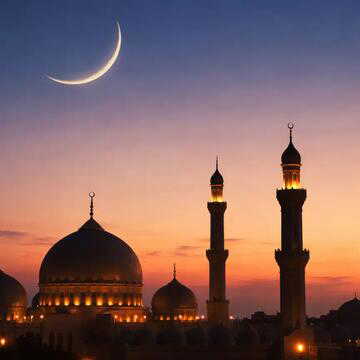
The Islamic calendar begins every month with the observation of the crescent moon after the setting of the Sun. It is not the same as the astronomical new moon or the time of conjunction when the Sun and Moon are aligned. Currently, the Moon is not visible from the Earth.
The Moon is only visible when it is away from the Sun and is able to reflect the Sun's light. It is at this time that the month begins. It is not the time of the new moon that is relevant to the start of the month.
Also Read | Eid 2026: Why Kerala celebrates today while others wait for tomorrow
Why Saudi Arabia often sees it first
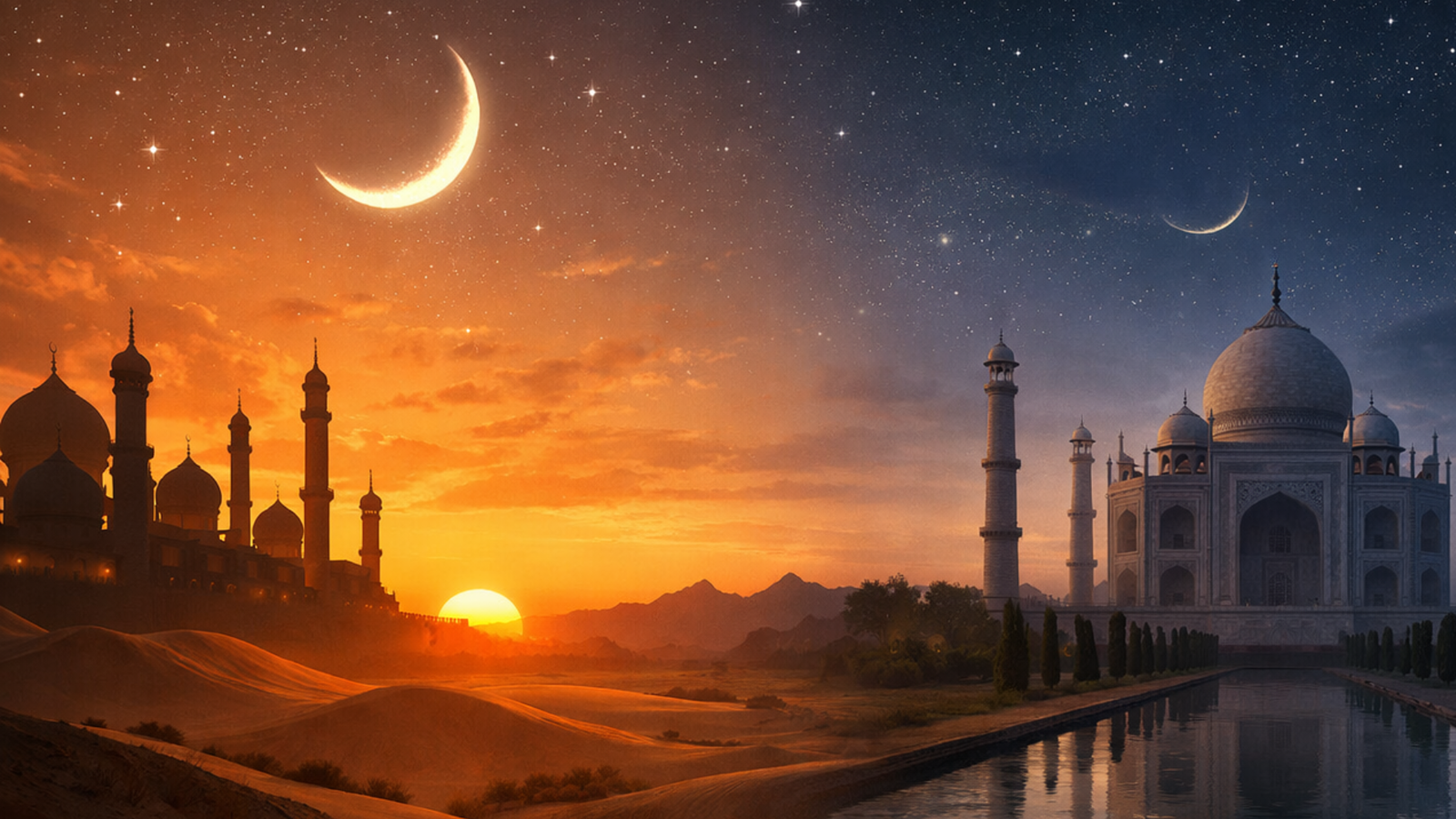
The geographical position of Saudi Arabia is another significant factor. It is located to the west of India. Consequently, the sun sets later in the day in Saudi Arabia compared to India. This gives the Moon enough time to set apart from the sun, thus increasing the probability of visibility.
When the sun sets in the Middle East, the Moon has a wider angular distance from the sun. This increases the probability of visibility. In addition, the crescent will be at a higher altitude, thus increasing the probability of visibility. The desert skies are clearer compared to other areas.
Astronomical studies on the visibility of the Moon have shown that the elongation of the Moon, altitude of the Moon, and clarity of the atmosphere are critical in determining the visibility of the Moon.
Why India usually follows a day later
In India, the Moon is often younger at sunset on the same day. This makes it thinner, less bright, and more obscured by the Sun’s glare.
Also Read | Why is Bill Gates being blamed for North India's 'mini monsoon' in March?
There are several factors that make it more difficult. The interval between sunset and moonset is shorter. Haze and humidity can also hinder visibility. The Moon is also positioned lower on the horizon, making it more difficult to spot.
If the crescent is not sighted on the 29th day, it means that the month has 30 days, and Eid is celebrated on the following day.
A predictable scientific pattern
According to crescent visibility models developed after long-term observations, it is clear that areas such as the Middle East are usually included in the early visibility zones, while South Asia is not. This is a natural phenomenon caused by the rotation of the Earth and the orbit of the Moon.