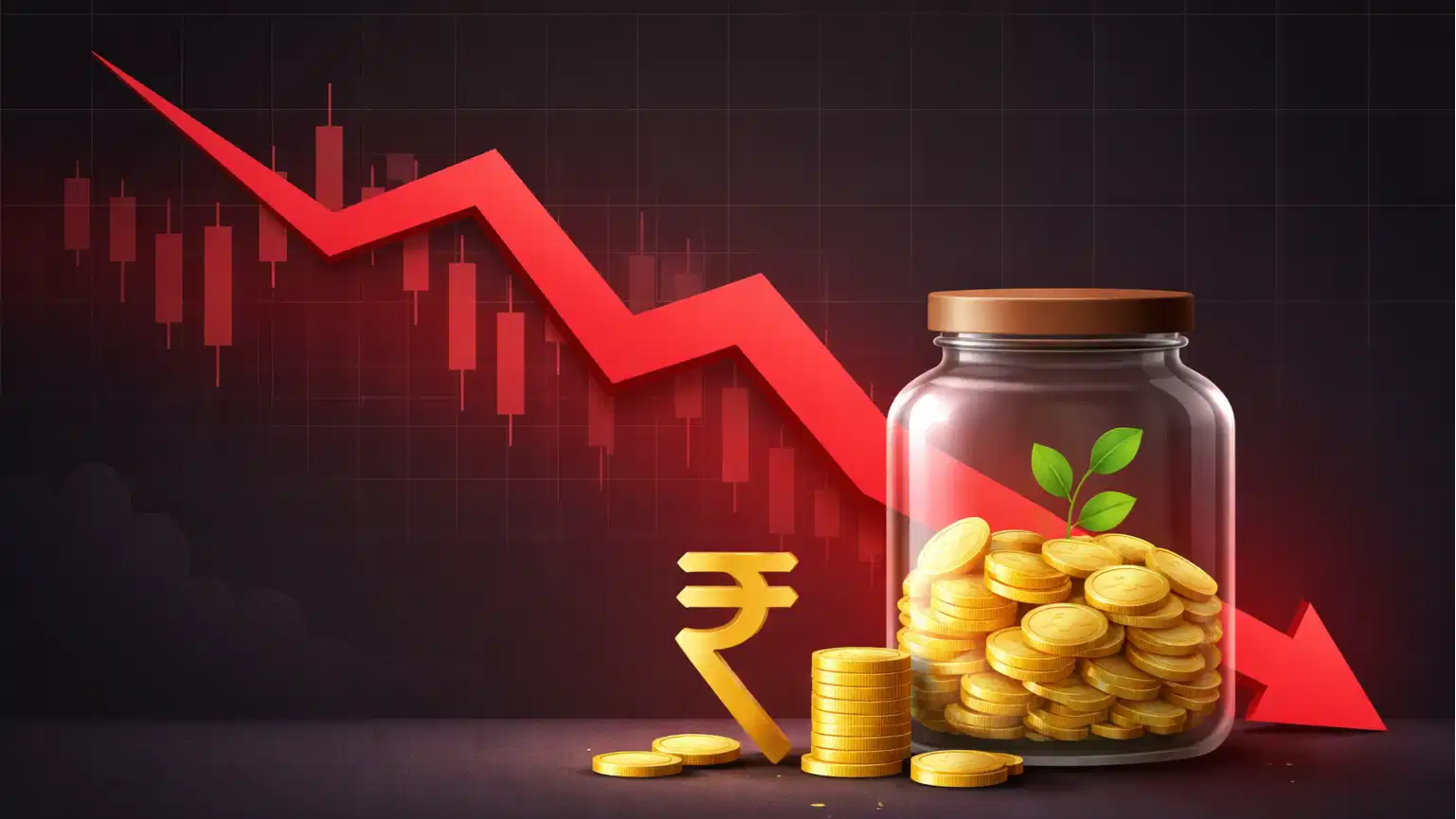
Systematic Investment Plans (SIPs), often seen as a disciplined route to long-term wealth creation, are currently facing a rough patch. Recent market volatility, triggered by geopolitical tensions linked to the Iran-US conflict, has pushed SIP returns into negative territory across several equity fund categories.
Markets under pressure, returns take a hit
Indian equity markets have witnessed a sharp correction over the past few weeks. After a strong rally in the previous year, indices have now pulled back significantly. Reports indicate that the Nifty has declined nearly 13 per cent from its peak, while mid and small-cap stocks have seen even steeper corrections.
Also Read | What is KYC? Full form, meaning and why it is important for banking
This downturn has directly impacted SIP performance. Data shows that one and two-year SIP returns across most equity mutual fund categories have turned negative. Even three-year returns appear muted, though long-term performance remains relatively strong. Over a 10-year period, SIPs across categories continue to deliver positive returns, with some generating annualised gains of 15–17 per cent.
Why are SIP returns negative right now?
Analysts attribute the decline in SIP returns to a combination of factors. The ongoing geopolitical tensions have triggered panic selling, adding to market uncertainty. At the same time, the broader market appears to be undergoing a correction after an extended bull run.
Mid and small-cap stocks, which had seen sharp gains earlier, have been hit particularly hard. SIP portfolios with higher exposure to these segments have therefore seen deeper cuts.
Should investors be worried?
Experts caution against reacting impulsively. "It's true that SIP investors are witnessing negative returns for the first time in a while. However, they panic sell at the bottom of the cycle and fail to participate in the next leg-up of the market," says a strategist.
Instead of exiting, investors are advised to stay focused on long-term goals, typically five to ten years. Market dips, analysts suggest, can also present opportunities to accumulate more units at lower prices.
A structured approach to SIP investing
Analysts recommend reviewing portfolios carefully. "If investors have been impacted across all their investments, the broader market is down and it might be a good idea to hold on. SIP investors can continue buying units through their SIPs," says Kumar Patel, founder, FITHellion.
Also Read | Petrol, diesel prices unchanged despite crude surge: Check fuel rates in your city
"If, however, your funds have underperformed but the broader markets are holding up, you might want to pause your SIPs in those funds and divert the money to debt funds or gold," he added.
While short-term volatility has dented returns, SIPs remain a long-term investment tool. Market corrections are not unusual and often test investor patience. Historical trends suggest that staying invested through cycles has helped investors benefit when markets recover.