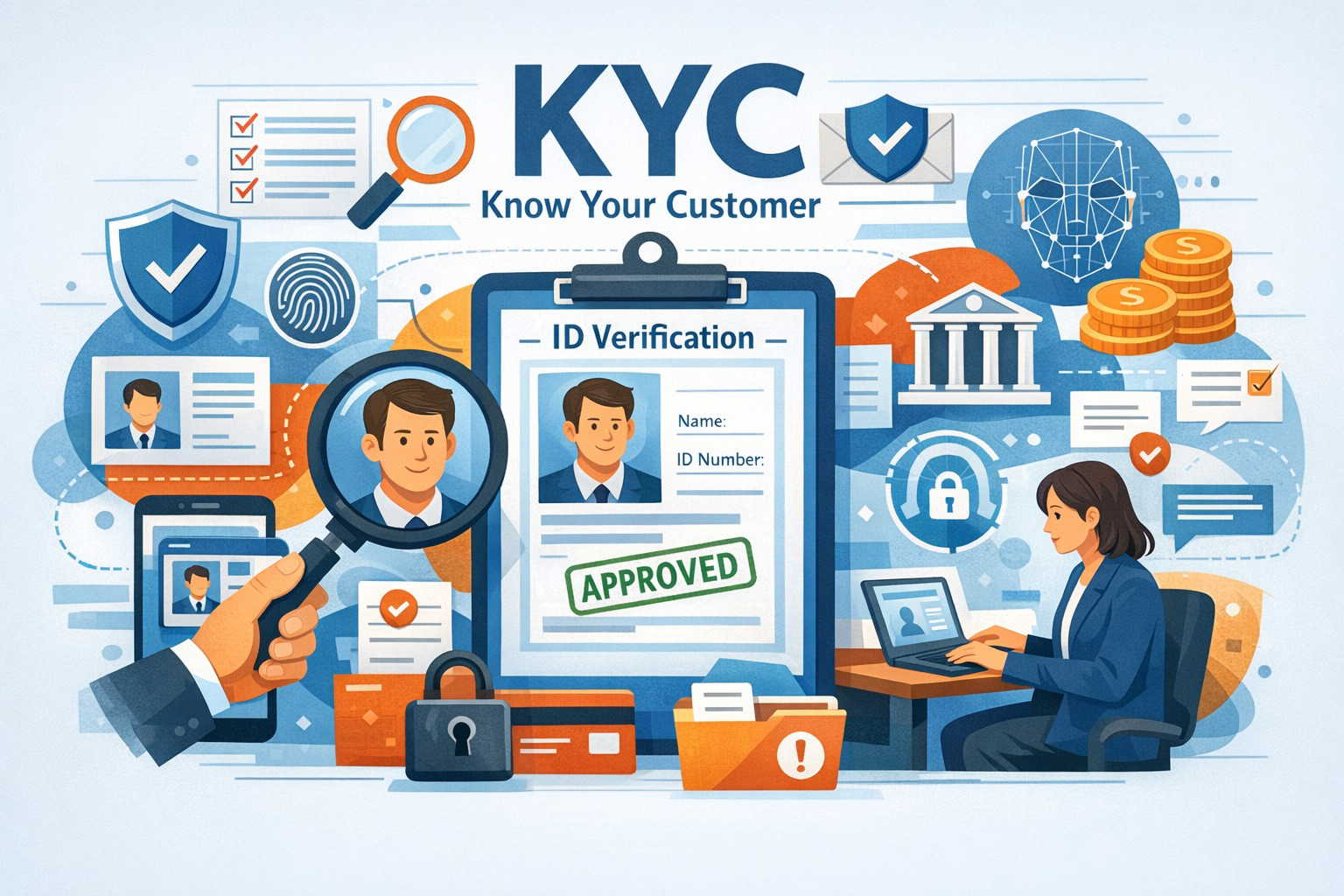
KYC stands for "Know Your Customer." It is a verification procedure adopted by banks and financial organisations to verify the identity of their customers before providing services. This procedure requires banks to collect information such as name, address, birth date, and valid identification documents.
This procedure aims to ensure that financial accounts are being operated by real individuals and that they are not being misused to carry out illegal practices.
Also Read | ‘Go around’: The moment that saved 440 lives during a Kolkata runway scare
Why KYC has become essential in a digital economy
In the face of the rapid development of digital banking services and online transactions, KYC has gained more significance. It helps to prevent various financial crimes such as identity theft, money laundering, and fraud.
By verifying the identity of customers, institutions are able to monitor transactions more effectively. This enhances trust within the financial system.
For the individual, completion of the KYC process ensures uninterrupted access to services such as banking, investment, insurance, and e-payments.
What are the different types of KYC in India?
The process of KYC has been modified to allow for traditional as well as digital means of completion.
Physical KYC: This involves submitting documents along with verification.
eKYC (Digital KYC): This allows for verification to be done online using Aadhaar or other means.
Video KYC: This is a relatively new process whereby verification is done using a video call.
Documents required for KYC
To complete KYC, individuals must provide valid identity and address proof. Commonly accepted documents include:
Aadhaar card
PAN card
Passport
Voter ID
Driving licence
Submitting accurate and updated documents helps avoid delays and service disruptions.
What happens if KYC is not completed
If the KYC process is not completed, users may face restrictions on their financial accounts. This may include restrictions on withdrawals, transfers, and investments. Users may also face the risk of their accounts being temporarily frozen.
Also Read | Sensex crashes 1,800 points: What's behind today's market meltdown?
This is the reason banks and financial platforms keep asking their users to update their KYC information.
A shift towards faster financial verification
India’s financial system is shifting towards becoming more digital. This has led to the KYC process becoming faster. This has made it easier for users across the country to complete their digital verification.
KYC is no longer just about compliance; it’s about security and transparency.