North Korea's political and social structure is shaped by a classification system known as Songbun. Though rarely discussed openly within the country, it plays a central role in determining a citizen's life opportunities.
A system based on background
The songbun system was created in the early years following the formation of North Korea. It aimed to protect the Kim regime by isolating and controlling perceived internal political threats. The system categorised every North Korean resident based on their political safety or risk, informed 'Liberty in North Korea', an international NGO working with the North Korean people.
Also Read | What is IDIOT Syndrome? Here’s why internet-based self-diagnosis can do more harm than good
Key factors included the socioeconomic background of their ancestors at the time of liberation in 1945, their activities during the Korean War from 1950 to 1953, and whether they had any relatives in South Korea or China. Being connected to the outside world negatively affects your songbun.
In this system, citizens are broadly divided into three main categories: "core", "wavering" and "hostile". These classifications are largely based on family history, including political affiliations, social background and actions of relatives during key historical events such as the Korean War.
The "core" group includes professional revolutionaries, descendants of 'war heroes' who died while working or fighting for the North, and peasants or those from peasant families.
The "wavering" group consists of people who previously lived in South Korea or China, those with relatives who went to the South, families of small-scale merchants, intellectuals, and practitioners of superstition.
The "hostile" group includes descendants of landlords, capitalists, religious individuals, political prisoners, those who helped South Korean forces during the Korean War, and those judged anti-Party or linked with outside powers.
How does the system work?
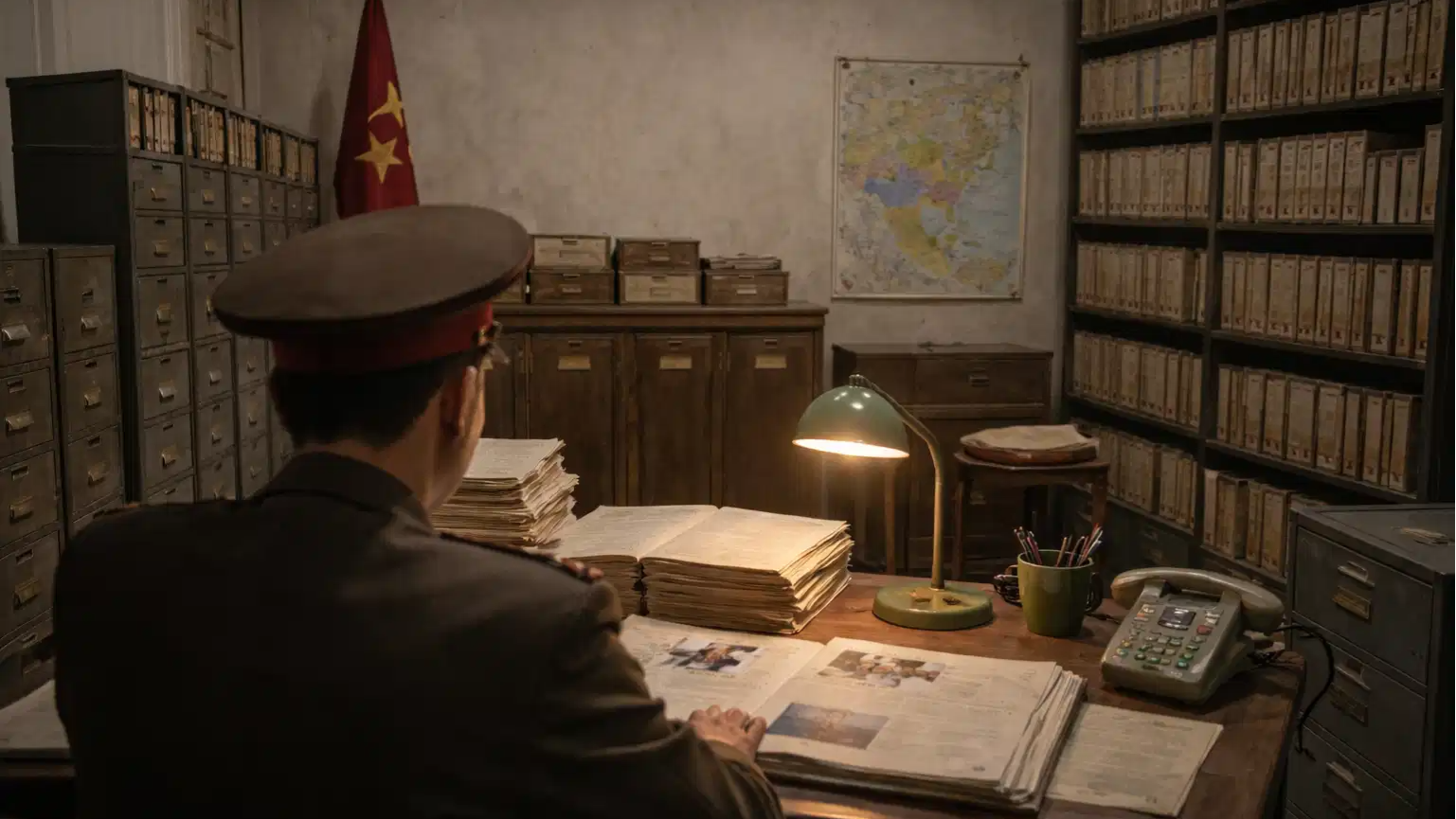
The regime keeps a file on every person over 17 years old; before that age, your details were added to your parent's file. A significant amount of work goes into creating and regularly updating these records. The data is now managed with the software system "Faithful Servant 2.0". This digital system makes it easier for authorities to access any citizen’s songbun file from any Ministry of Public Security computer terminal, whether at the provincial or county level.
Impact on everyday life
A person’s Songbun status can affect access to education, employment, housing and even food distribution. Those in the "core" class are considered loyal to the regime and often receive better opportunities and privileges.
On the other hand, individuals classified under the "hostile" category may face restrictions in career choices, limited access to higher education and are often placed in less developed regions.
The system is not officially publicised, but reports from defectors and researchers suggest that it continues to operate as a key mechanism of social control.
Also Read | What is Ghostlighting? The toxic dating trend that leaves you blaming yourself
Limited mobility within the system
Songbun status is largely inherited, making it difficult for individuals to move between classes. While there have been occasional reports of changes based on service or conduct, such instances are considered rare.
Over time, economic shifts and informal markets have somewhat blurred the system’s strict boundaries, but it still holds significant influence over many aspects of life in North Korea.
Though not always visible to outsiders, Songbun remains a defining feature of how North Korean society is organised. It reflects the country’s emphasis on political loyalty and continues to shape the experiences of its citizens across generations.