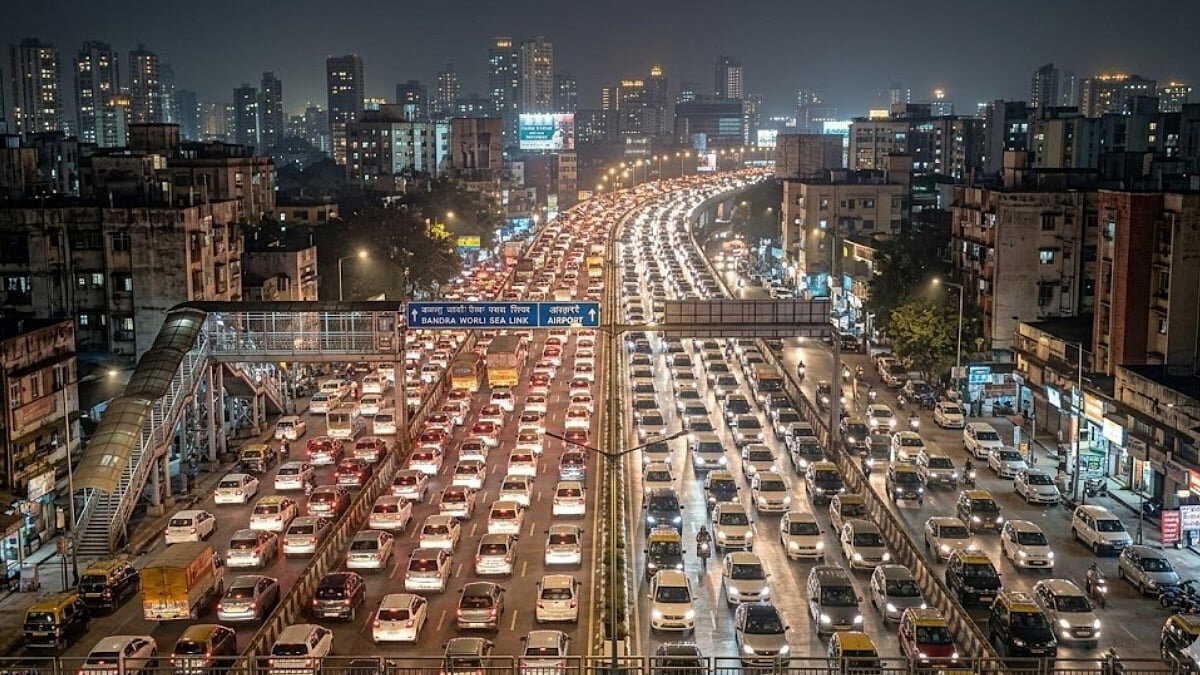
"We should all ensure that we use AI in such a way that it serves the welfare of human civilization, not for harm",Tim Cook, CEO of Apple, once said. Both the frenzy and popularity surrounding AI are increasing worldwide. AI is now expanding in all fields, automation, innovation, and science. But as Tim Cook said, seeing how much we can use AI for the work of human civilization is very important. In this context, AI is being used in new ways to reduce road accidents in India. How is AI being utilized to save lives?
 Several lakhs have died in road accidents in India
In 2024, 1,77,177 deaths occurred in India due to road accidents. That means approximately 485 people lose their lives every day. According to the Ministry of Road Transport and Highways' 2023 report, 63.7% of accidents and 60.8% of deaths occurred due to excessive speed.
 Gaps remain even after traffic law enforcement
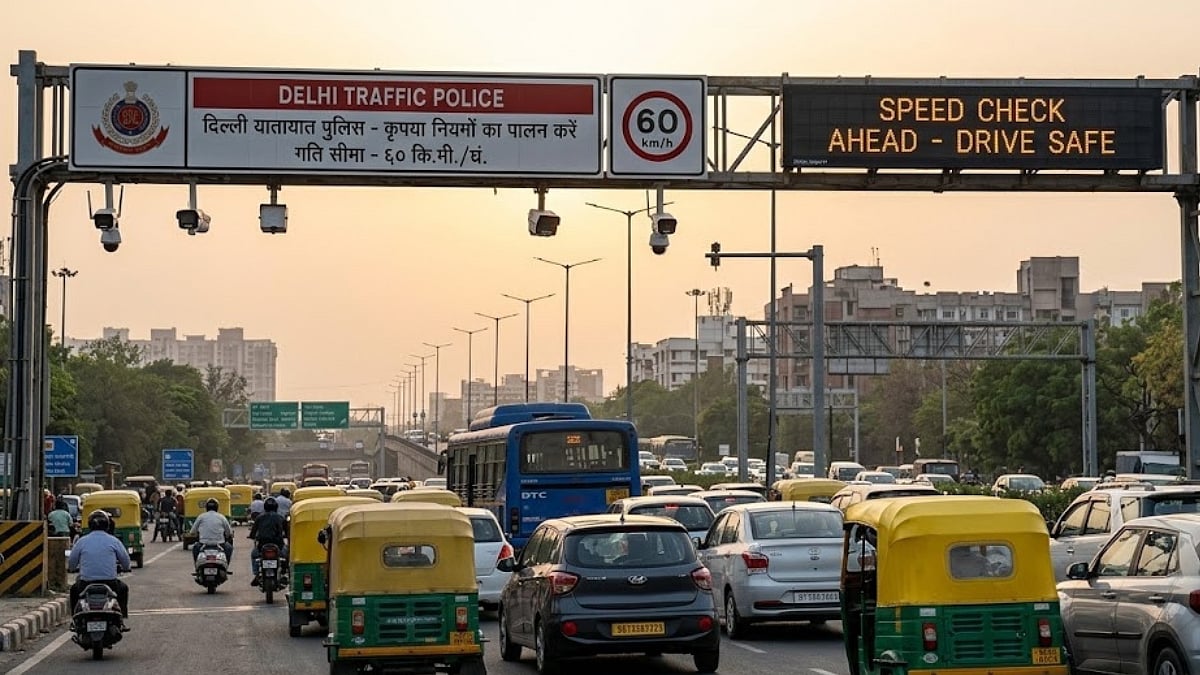
Despite the government enforcing many laws, there hasn't been much improvement in this regard. Whether it's awareness programs like Safe Drive, Save Life, strict punishment for drink and drive, or making traffic signal compliance mandatory... gaps remain even after implementing so many laws. This has made it clear that people are still not sufficiently aware.
 AI in traffic surveillance
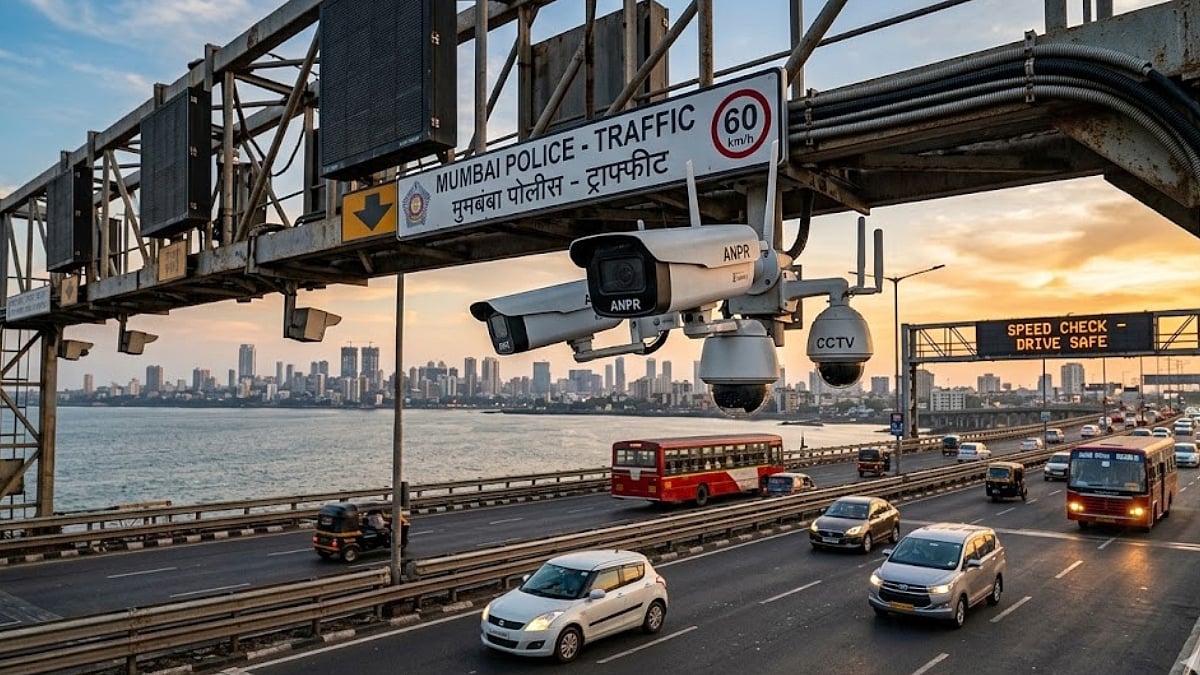
AI systems can monitor in real-time how much traffic is occurring on any road through cameras and sensors. Not only that, by utilizing this data, you can check before starting your journey which roads have how much traffic. Many people now use this technology to avoid crowded roads and travel on roads with less traffic as shown by AI. As a result, some believe the risk of accidents is significantly reduced. However, in metro cities, with the increasing number of vehicles on one hand and decreasing road space on the other, the question remains whether switching from one road to another will actually be beneficial in the future.
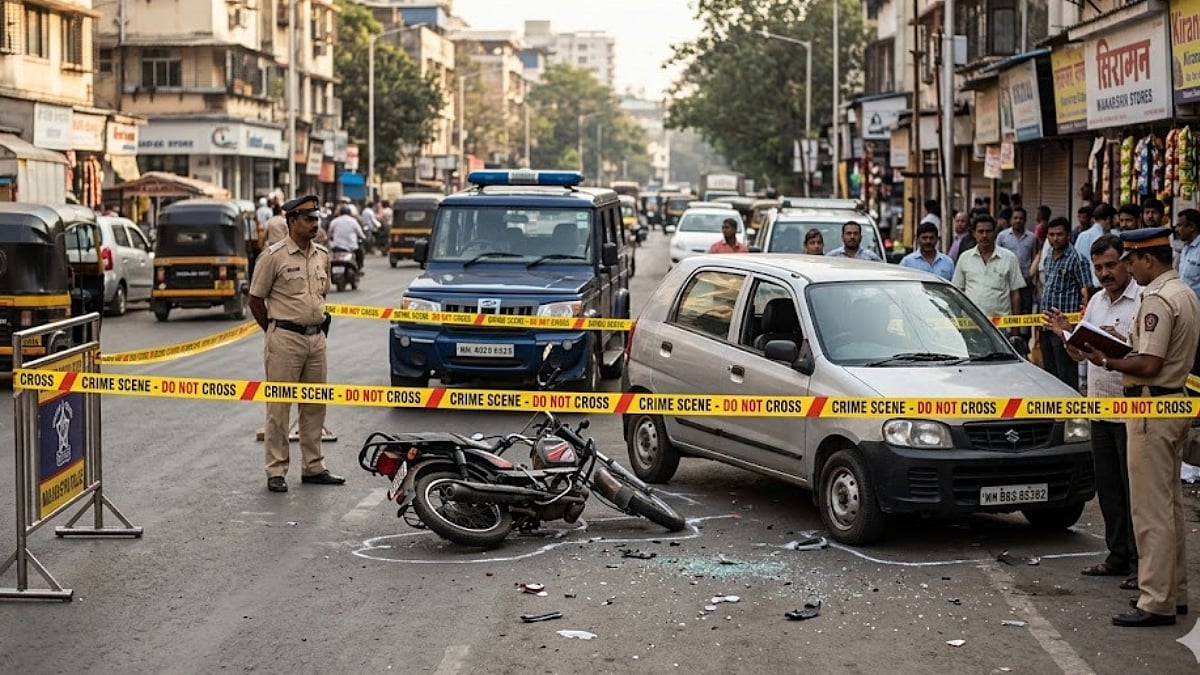 Accidents on crowded roads
Our country's roads are not only crowded but also have different types of vehicles traveling on the same road. That means everything from bicycles to cars uses the same path. This also causes accidents. But AI can analyze in advance various road conditions, data on which roads are most dangerous—meaning roads where many accidents have occurred before—and security arrangements, and guide drivers accordingly.
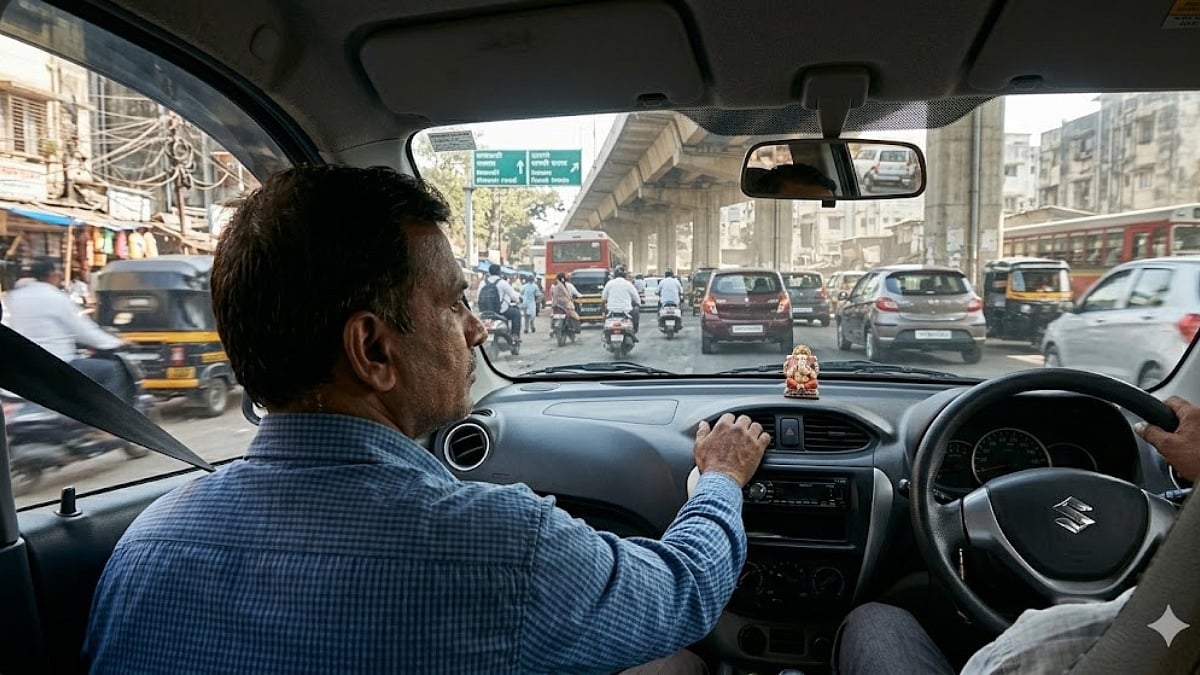 AI helps drivers with navigation.
When driving at high speed, accidentally going on the wrong road, or breaking signals, AI can immediately detect this and send emergency messages or SOS. This also significantly reduces accidents or allows immediate action to be taken if accidents occur. Currently, using this technology, AI is analyzing millions of kilometers of road driving data in India. The country's approximately 64 lakh kilometers of roads have come under this AI networking coverage.
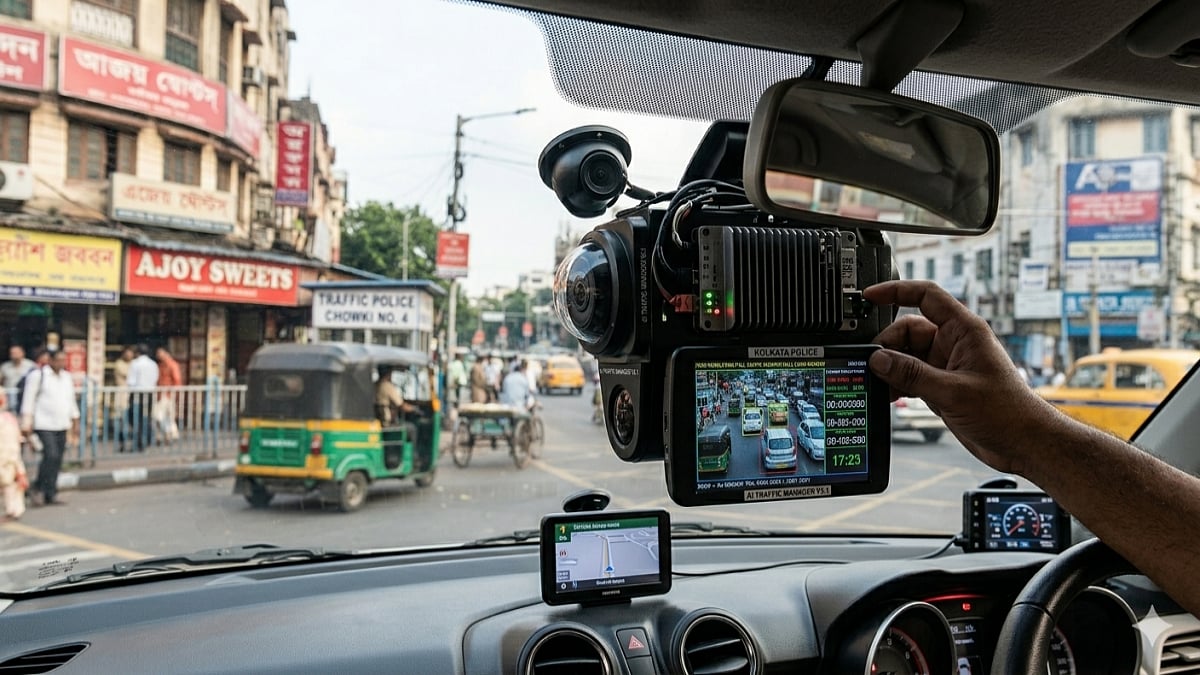 New innovation: Vision-based AI
There is also another new type of vision-based AI. How does this technology work? Previously, AI would analyze all data from places where accidents occurred, but all of this happened after the accident. That means by the time the damage was done, it was already done. But with this technology, AI can analyze real-time data and alert drivers before accidents occur, preventing them.
In this regard, Teja Gudena, Vice President of Engineering at Netradyne Technology India Pvt Ltd, told the media, 'AI cameras actually work like intelligent coaches, analyzing driver behavior in real-time. They alert drivers about everything—overspeeding, sudden braking, lack of concentration while driving, or mobile phone use.'
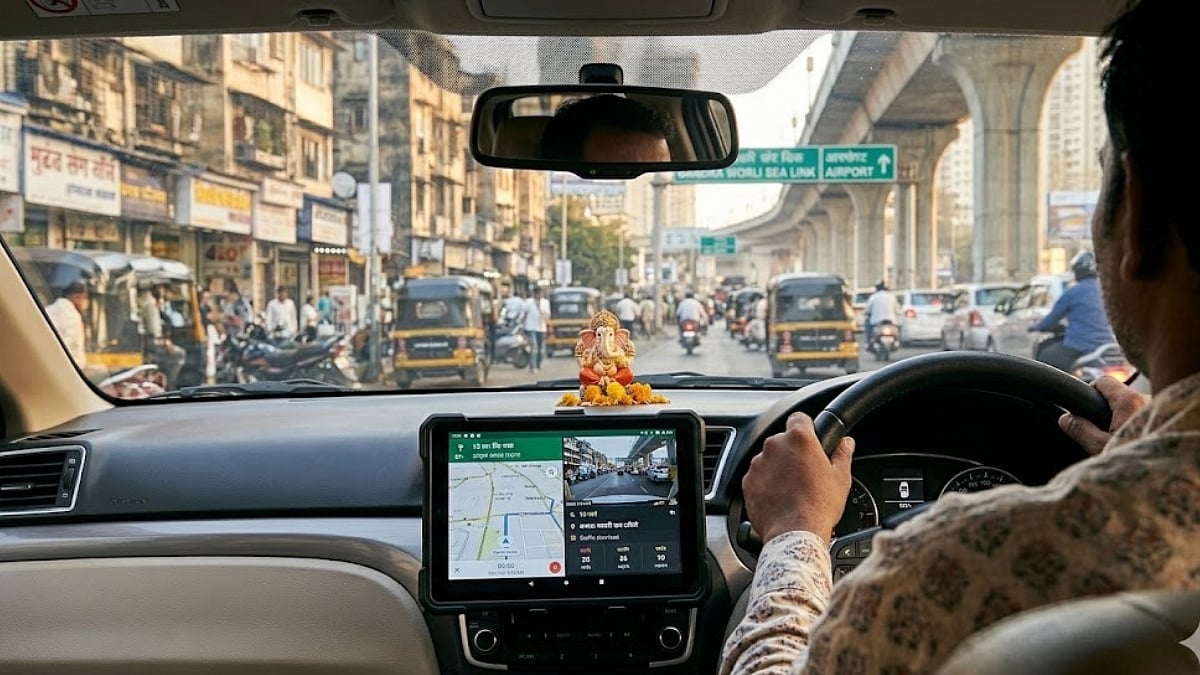 AI vision analyzes driver data
Previously, only regular dashcams were used, which could only record videos. But AI vision can analyze everything from the driver's blinking, keeping eyes closed, head movements, to the driver's sleeping habits.
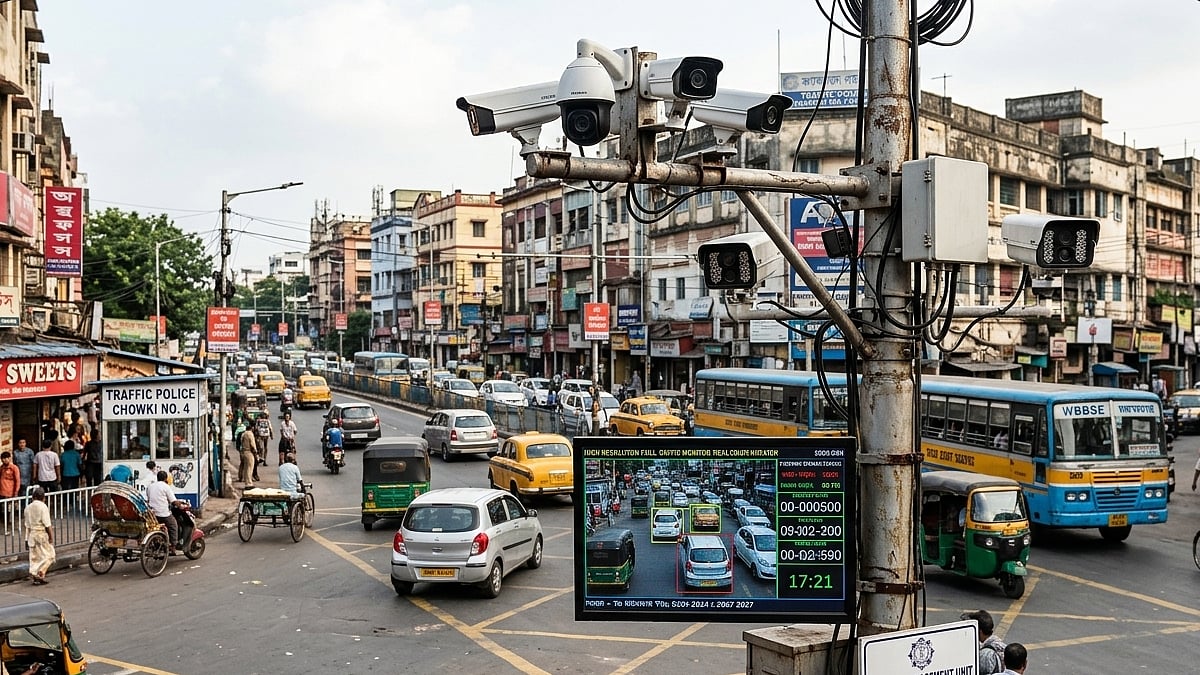 AI cameras monitoring surroundings on crowded roads
To use AI more extensively in vehicles, Hitachi Cash Management has introduced safety coach technology inside cabs. The company claims this new innovation has reduced road accidents by 50%. Additionally, the tendency to drive while drowsy has also decreased by 74%. This is connected with the Intelligent Driver Management System (IDMS). As a result of using this technology, drivers are becoming aware in advance.
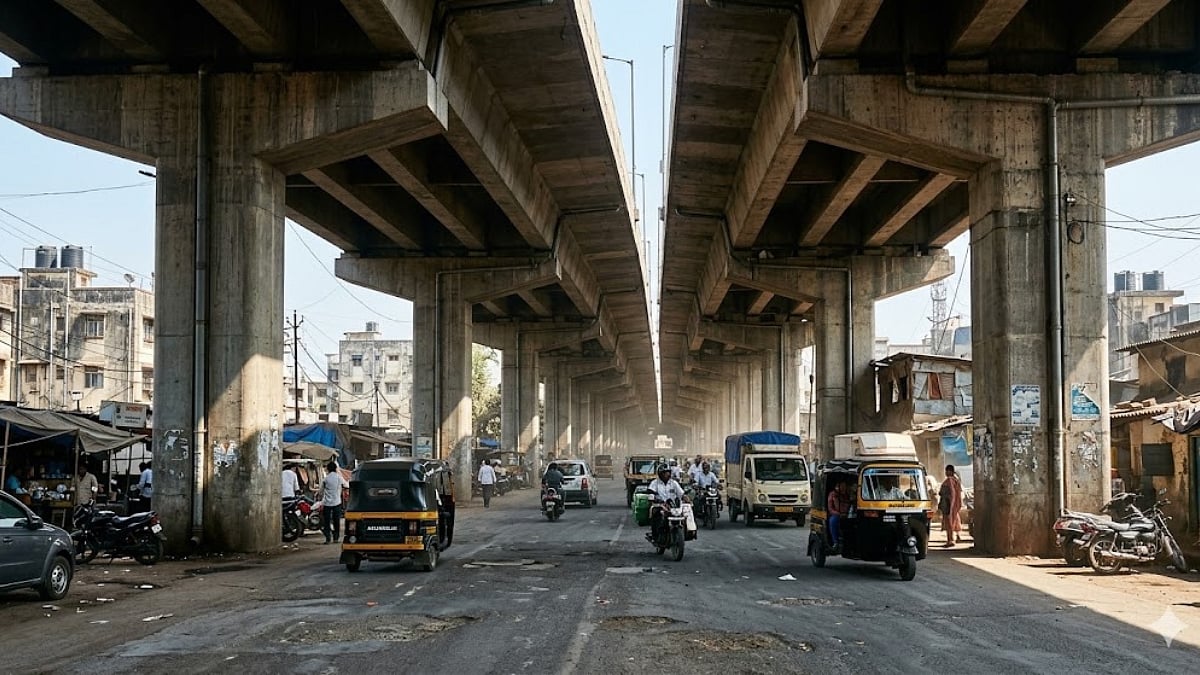 AI also analyzes driving patterns
AI analyzes driving patterns and informs in advance what kind of problems are occurring or might occur on which route and at what time. Above all, AI is now not just technology but also working as a kind of 'live safety guard'.