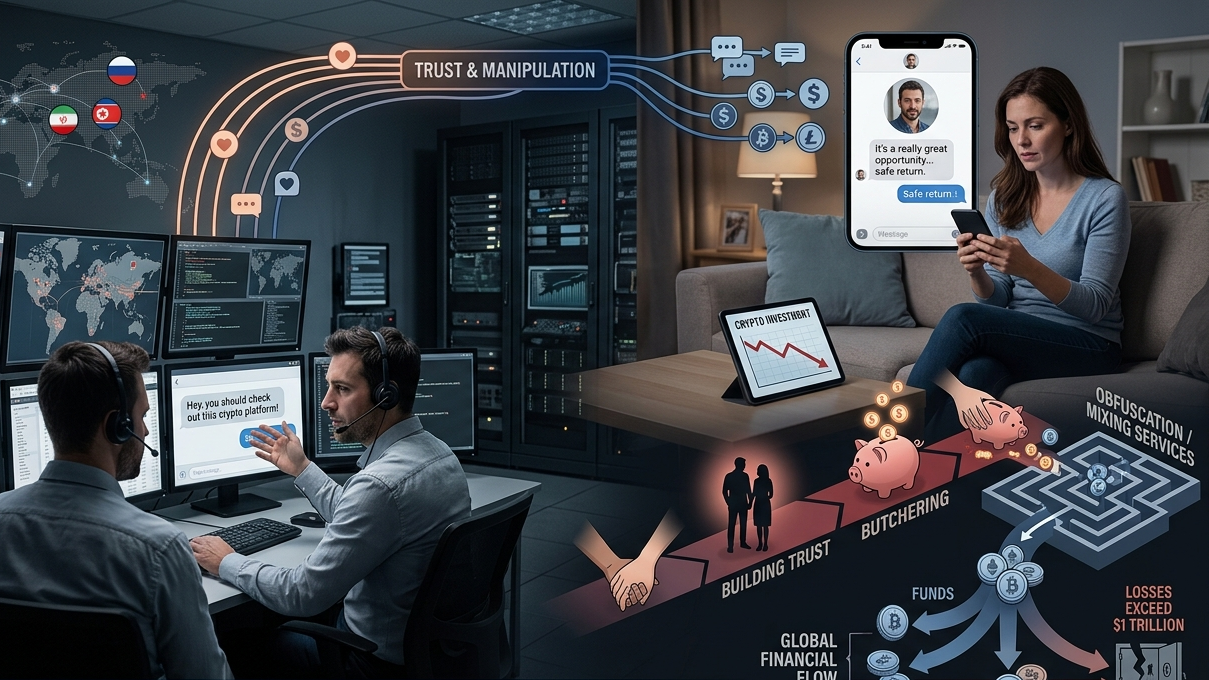
Dating apps are the new front in an alleged crypto scam. A network linked to Iran is targeting Americans on Tinder and Bumble, according to Daily Express US. The tactic begins with a friendly chat and quick rapport before shifting the conversation toward a fake cryptocurrency investment platform. The money may ultimately be routed into Iran’s treasury.
The scheme is a part of a broader pattern of so-called pig butchering scams. Fraudsters spend weeks or even months building trust before steering victims into fraudulent crypto investments.
$1 trillion scammed away
Platforms like Facebook and Instagram may serve as the first point of contact before conversations move to private chats. Over days or even weeks, scammers build trust with victims and later steer them toward fraudulent platforms, often while the targets believe the relationship is genuine.
Also Read । Did you know how Strait of Hormuz got it's name? Here's the past behind today's key chokepoint
Payments are demanded in cryptocurrency because of its “instant access and easier obfuscation,” and then funds are moved across multiple blockchains to hide their origin.
Bezalel Eithan Raviv, a Tel Aviv-based blockchain forensic expert and founder of Lionsgate Network, said, “We’re looking at nearly $1 trillion globally being scammed.” NDTV added that his firm previously helped Israeli authorities trace and seize over $90 million in crypto funds from Hamas after the October 7 attacks.
One swipe away from being butchered
Raviv also said Iran, North Korea, and Russia target foreign citizens to finance geopolitical agendas. Known as “pig butchering" scams, these operations rely on prolonged emotional manipulation before pushing victims toward crypto transfers, which are harder to trace.
Also Read । Who is Mayushi Bhagat? Indian student missing for 6 years in US; FBI announces Rs 9.38 lakh reward
Investment scams now make up the majority of recorded losses, according to authorities like the Federal Bureau of Investigation, with bitcoin accounting for the majority of fraud cases. Identifying such scams and tracing, freezing, and recovering the funds once they move across chains and jurisdictions is a significant challenge.