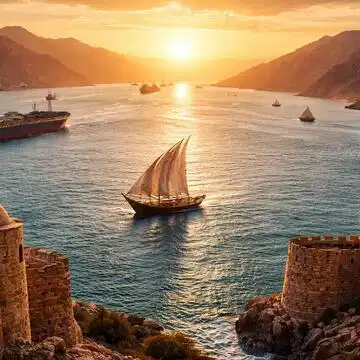
The United States military has intercepted at least eight oil tankers linked to Iran since enforcing a blockade in the Strait of Hormuz earlier this week. According to a report by The Wall Street Journal, US naval forces contacted the vessels via radio and instructed them to reverse course.
Officials cited in the report said all tankers complied with the directions, and no boardings were required. Among those stopped was the US-sanctioned tanker Rich Starry, owned by Shanghai Xuanrun Shipping Co.
Also Read | Did Trump almost rename the Gulf of Mexico 'Gulf of Trump'? Here's the truth
Heavy deployment to enforce blockade
The US has significantly increased its military presence in the region, deploying more than 15 warships along with thousands of personnel, including Marines and special-operations forces. This buildup is aimed at enforcing restrictions on Iranian maritime activity and tightening control over access to its ports.
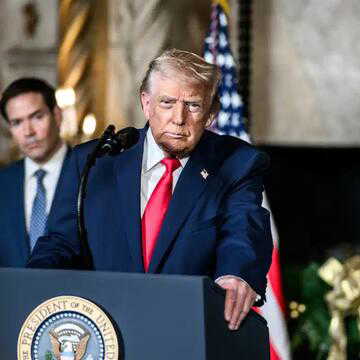
The move follows escalating tensions after ceasefire talks with Iran collapsed over the weekend, prompting fresh orders from Donald Trump to block Iranian ports connected to Hormuz.
Trade routes under pressure
Since the conflict intensified, Tehran has continued moving its oil and goods through the strait while limiting access to other nations, particularly those it considers unfriendly. The blockade now aims to cut off this flow entirely.
The US Central Command, or CENTCOM, said the operation is fully in place. "An estimated 90 per cent of Iran's economy is fuelled by international trade by sea. In less than 36 hours since the blockade was implemented, US forces have completely halted economic trade going into and out of Iran by sea," CENTCOM said per NDTV.
Mine clearance and global impact
US forces are also working to neutralise reported naval mines in the strait, with guided-missile destroyers deployed for the task. Earlier reporting by The New York Times suggested Iran may lack the capacity to locate and remove these mines, complicating maritime movement.
Also Read | US Navy begins demining mission in Strait of Hormuz, safe corridor planned
The Strait of Hormuz, a critical chokepoint that carries a large share of the world’s oil supply, remains central to the crisis. Its disruption has already driven fuel prices higher, intensifying pressure on global markets and adding to domestic challenges for the US administration.