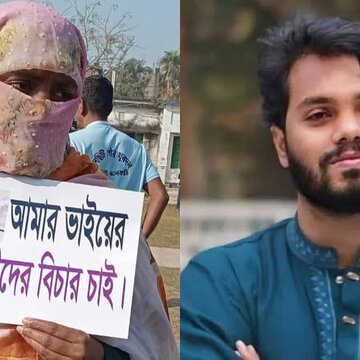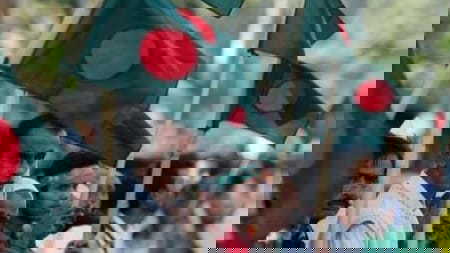
Bangladesh votes today, February 12, in what many are calling a historic election. The country is holding its 13th national parliamentary polls along with a nationwide constitutional referendum. More than 12.77 crore registered voters are eligible to cast their ballots. After years of protests, political unrest, and a change in government, many see this as a turning point for governance and democracy.
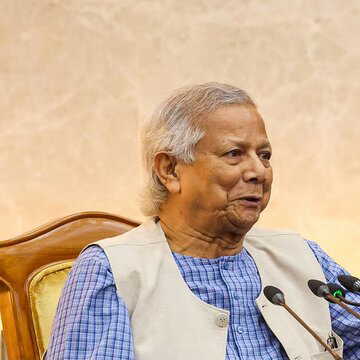
This is the first general election since the 2024 uprising that led to the fall of Sheikh Hasina's government and the dissolution of Parliament. An interim administration led by Muhammad Yunus has been overseeing the transition.
Polling and results
Voting is taking place from 7:30 AM to 4:30 PM. More than 42,000 polling stations have been set up across the country. Security forces are deployed nationwide to ensure peaceful voting.
Counting will begin immediately after polling ends. Official results are expected on February 13. The outcome will cover both the parliamentary election and the constitutional referendum.
Also Read | Bangladesh elections 2026: How India, China and Pakistan view the high-stakes vote
Voters and how the system works
Bangladesh has 12.77 crore registered voters. Around 6.48 crore are men, 6.28 crore are women, and about 1,220 are third-gender voters, according to The Sunday Guardian. For the first time, postal voting has been introduced for overseas workers.
The country follows the first-past-the-post system. Voters choose one candidate in their constituency. The candidate with the highest votes wins. Of the 350 seats in Parliament, 300 are directly elected. Another 50 seats are reserved for women and are allocated proportionally. To form the government, a party or alliance must win at least 151 of the 300 elected seats.
Main parties in the fray
The main contenders include the BNP and its allies, Jamaat-e-Islami-led groups, Islami Andolan Bangladesh, the Jatiya Party-led front, and several smaller parties and independents.
Past elections saw BNP win in 2001 and the Awami League dominate from 2008 to 2018. After the unrest of 2024, today's vote could reshape Bangladesh's political balance and define its democratic path for years to come.