Amid back and forth escalating tensions between India and Bangladesh since Sheikh Hasina's ouster, Finance advisor of the latter country on December 23 (Tuesday) expressed faith about the future of bilateral relations between the two countries.
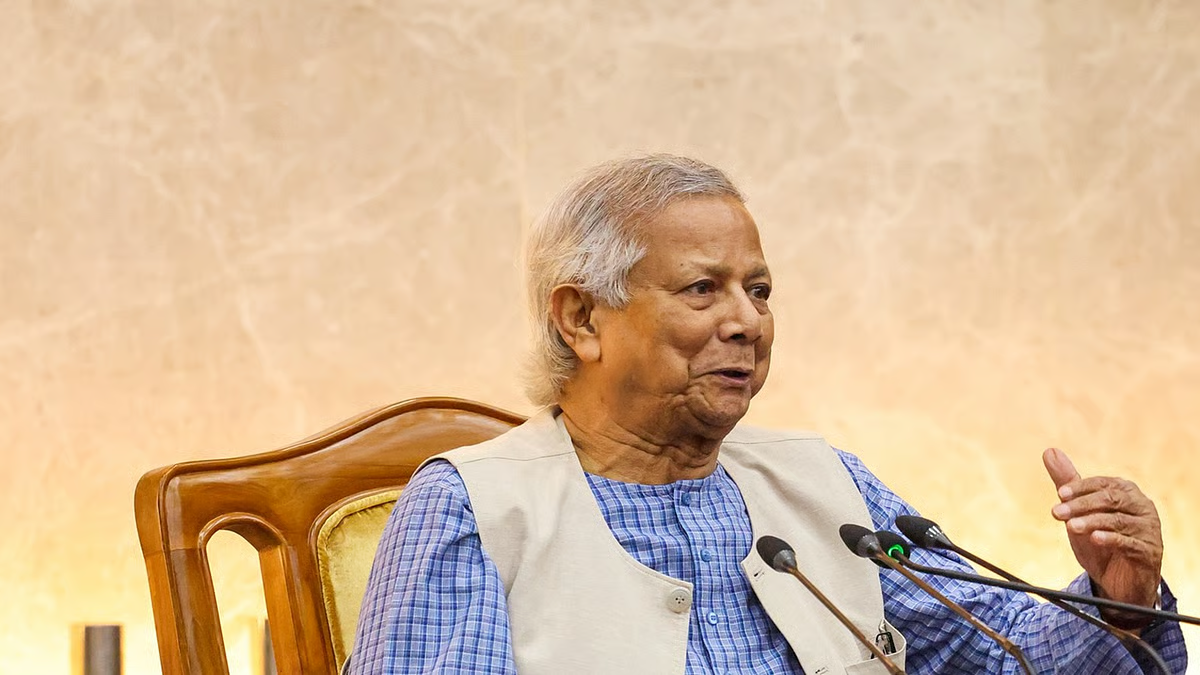
Finance advisor of Bangladesh interim government Salehuddin Ahmed said that chief advisor Muhammad Yunus wants to improve diplomatic relations with India and has also been speaking to several stakeholders over the issue.
Ahmed asserted that they do "not want any bitterness between both the nations" and expressed optimism that bilateral relations between them would not decline further.
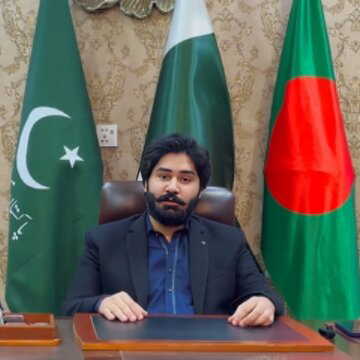
Also Read | ‘Missiles are not far away’: Pakistan youth leader issues sharp warning to India on Bangladesh row
After a meeting of the Advisors Council Committee at his office, Ahmed told reporters that the administration was working on developing economic relations with India and separating economic interests from "political rhetoric".
Rice import from India
In this backdrop, Ahmed informed that Bangladesh on Tuesday gave nod to the proposal of purchasing about 50,000 tonnes rice from India. He called this nod a gesture to "seek good relations".
He said that importing rice from India instead of Vietnam, which is a major alternative, would benefit them because sourcing it from Vietnam would cost them BDT 10 more per kilogram.
He negated claims of their trade policy being influenced by political considerations. "If importing rice from India is cheaper than sourcing it from Vietnam or elsewhere, then it makes economic sense to buy the staple from India," he said.
Also Read | Muhammad Yunus takes responsibility of lynched Hindu man Dipu Chandra Das's family
Call for calm
Warning people to halt attempts aimed at straining relations with India, Ahmed stated that the Bangladesh interim government will focus on maintaining stronger ties and not be pestered by any external pressure.
It may be mentioned that last week, a Hindu garment worker, Dipu Chandra Das was killed and set ablaze, leading to protests across India.
Ahmed maintained that any such incidents did not represent the "national expression" and were "creating complicated situations for Bangladesh".