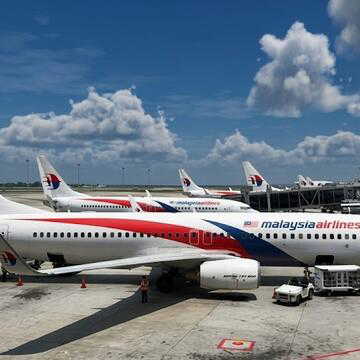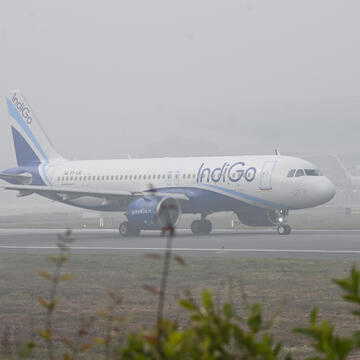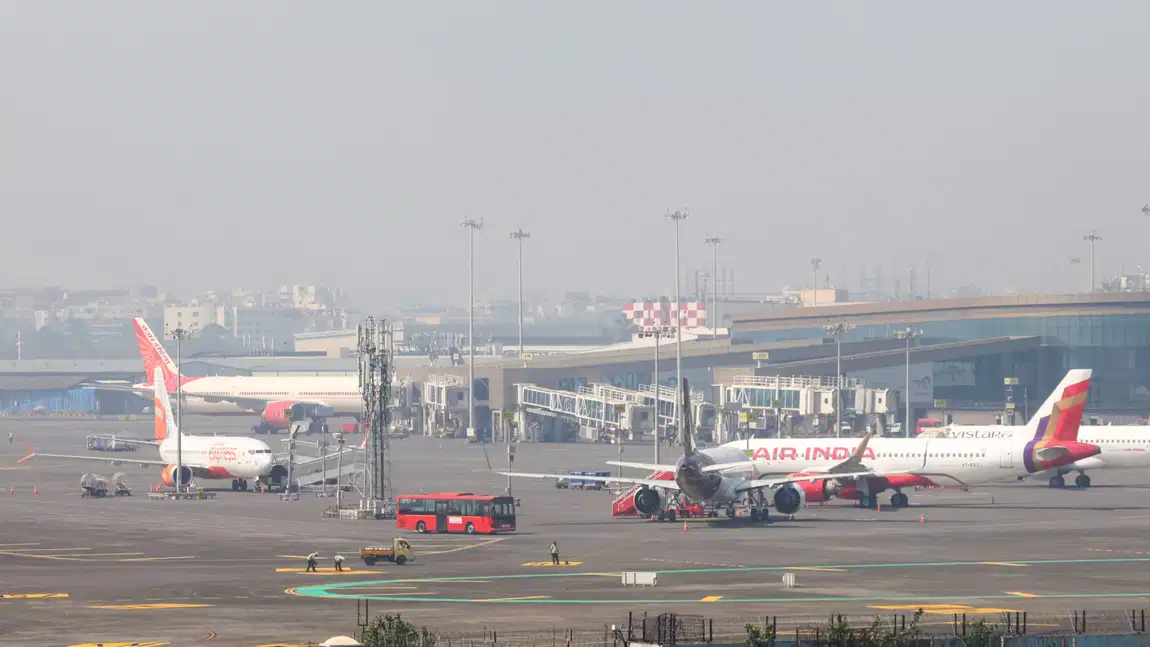
Delhi and Mumbai, India’s two biggest aviation hubs, have sharply reduced taxes on aviation turbine fuel (ATF), offering airlines relief at a time when the sector is dealing with soaring fuel prices, operational pressures and disruptions linked to the Iran conflict.
Delhi has cut VAT on ATF from 25 per cent to seven per cent for six months, while Maharashtra has reduced Mumbai’s VAT on jet fuel from 18 per cent to seven per cent for domestic flight operations, per a report by NDTV.
The move comes after airlines warned the government that rising fuel prices were severely affecting route viability and operating costs.
Also Read | Air India cuts several international flights — check if your route is on the list
Fuel costs emerge as biggest pressure point
According to the Federation of Indian Airlines (FIA), fuel expenses have risen sharply since the escalation of the US-Iran conflict and disruptions around the Strait of Hormuz, a key global oil shipping route.
The industry body, which represents Air India, IndiGo and SpiceJet, said fuel costs had climbed to 55-60 per cent of operating expenses compared to 30-40 per cent before the conflict intensified.
Global jet fuel prices reportedly jumped from $99.4 per barrel at the end of February to $162.89 per barrel by the week ending May 8, 2026.
At the same time, airlines have also been dealing with rupee weakness, rising aircraft lease rentals, engine maintenance issues and delays in aircraft deliveries.
Why Delhi and Mumbai matter most
Industry experts quoted by NDTV say the impact of the tax cuts is significant because Delhi and Mumbai handle a major share of India’s aviation traffic and aircraft refuelling activity.
Delhi’s Indira Gandhi International Airport handled nearly eight crore passengers in 2024-25, while Mumbai airport recorded 55.5 million passengers and over 3,31,000 aircraft movements in 2025.
Because airlines purchase large volumes of fuel at these hubs, even small reductions in VAT can translate into major savings.
The lower tax rates may also reduce practices such as “fuel tankering”, where airlines carry extra fuel from lower-tax airports to avoid expensive refuelling elsewhere.
Will ticket prices come down?
Despite the relief for airlines, passengers may not immediately see lower airfares.
Also Read | Swiss Air makes South India debut with direct flights from Zurich to Bengaluru
Per NDTV report, industry analysts say ticket pricing in India is driven more by demand and supply than direct cost reductions. Airlines are currently facing tight aircraft availability, engine inspection issues and delivery delays, which continue to keep supply constrained.
The tax cuts are therefore expected to help airlines absorb rising costs and protect margins rather than trigger immediate fare reductions.
Fresh push to bring ATF under GST
The latest decision has also revived demands from airlines to bring ATF under the Goods and Services Tax (GST) regime.
Airlines argue that varying VAT rates across states increase operational complexity and fuel expenses. However, the Centre has not yet announced any plan to include ATF under GST.