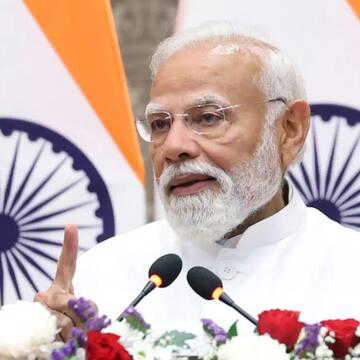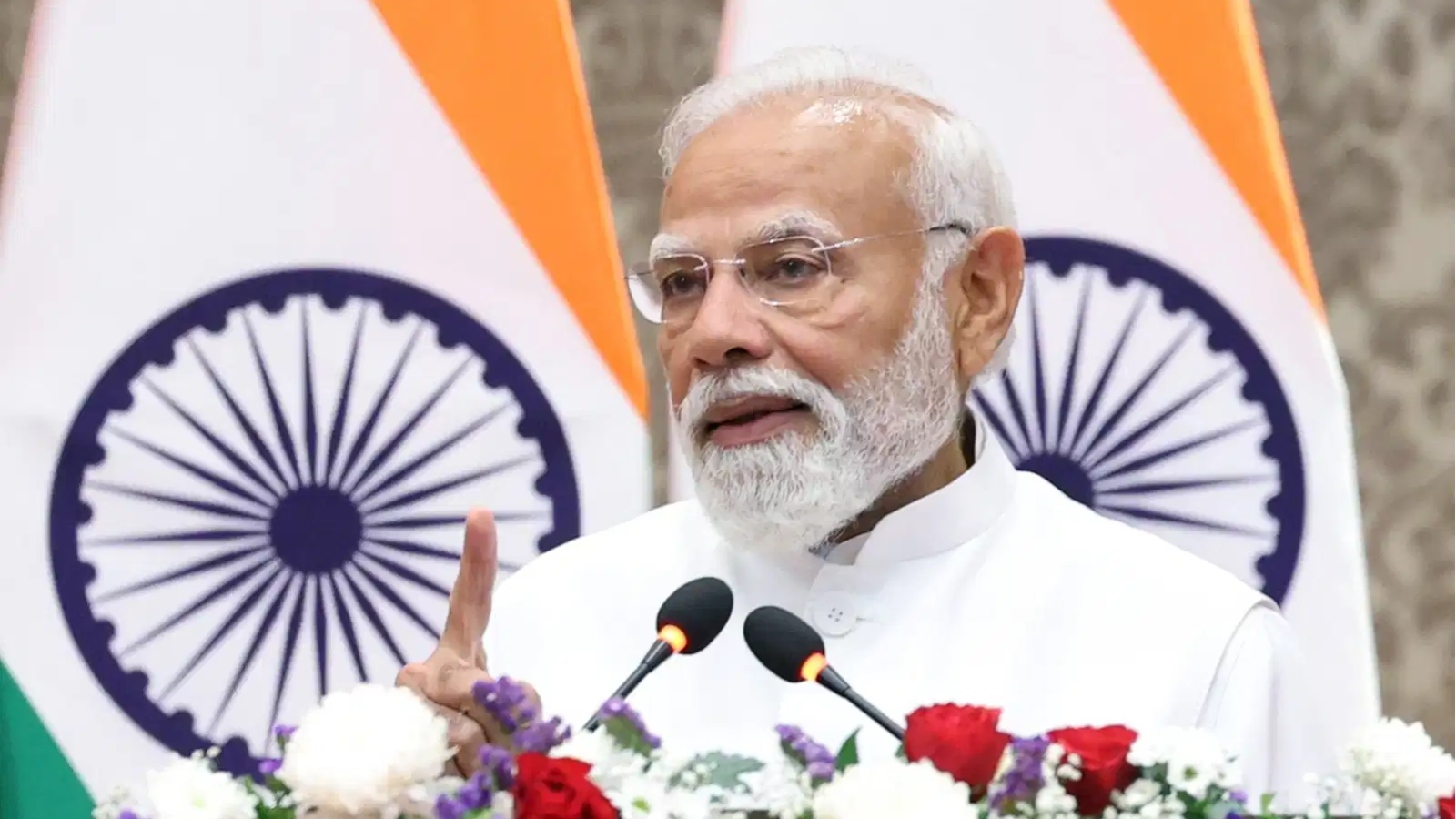
Prime Minister Narendra Modi on Thursday spoke with Iranian President Masoud Pezeshkian and expressed concern over the escalating tensions in West Asia, stressing the need for peace, stability and the protection of civilians.
The conversation marked Modi’s first direct interaction with Pezeshkian since the outbreak of the conflict involving Iran and the United States last month. Sharing details of the call on social media, Modi said the leaders discussed the "serious situation in the region".
Also Read | How did the IDFC First Bank Scam take place? Huge breakthrough in the ₹590-Crore Scam
"Expressed deep concern over the escalation of tensions and the loss of civilian lives as well as damage to civilian infrastructure," the prime minister wrote.
Had a conversation with Iranian President, Dr. Masoud Pezeshkian, to discuss the serious situation in the region.
— Narendra Modi (@narendramodi) March 12, 2026
Expressed deep concern over the escalation of tensions and the loss of civilian lives as well as damage to civilian infrastructure.
The safety and security of…
India raises safety of its nationals
During the conversation, Modi also raised the issue of the safety of Indian citizens in Iran and the need to maintain uninterrupted movement of goods and energy supplies.
India has about 9,000 citizens currently in Iran, including students, professionals, pilgrims and seafarers.
Indian authorities have already relocated several citizens from Tehran to safer areas, while others have travelled to neighbouring countries such as Azerbaijan and Armenia to board flights home. According to a government readout, Pezeshkian briefed Modi on the current situation in Iran and shared Tehran’s perspective on recent developments in the region.
India reiterates call for dialogue
During the exchange, Modi reiterated India’s position that conflicts should be resolved through diplomacy and dialogue.
He also emphasised India’s commitment to peace and stability in the region, which remains critical for global energy supply and maritime trade.
Since the conflict began on February 28, India has been closely monitoring the situation because of the large number of Indians living in the region and the importance of West Asia to India’s energy security. Meanwhile, external affairs minister Subrahmanyam Jaishankar has spoken several times with Iranian foreign minister Seyed Abbas Araghchi to discuss the evolving situation and the safety of merchant shipping in the region.