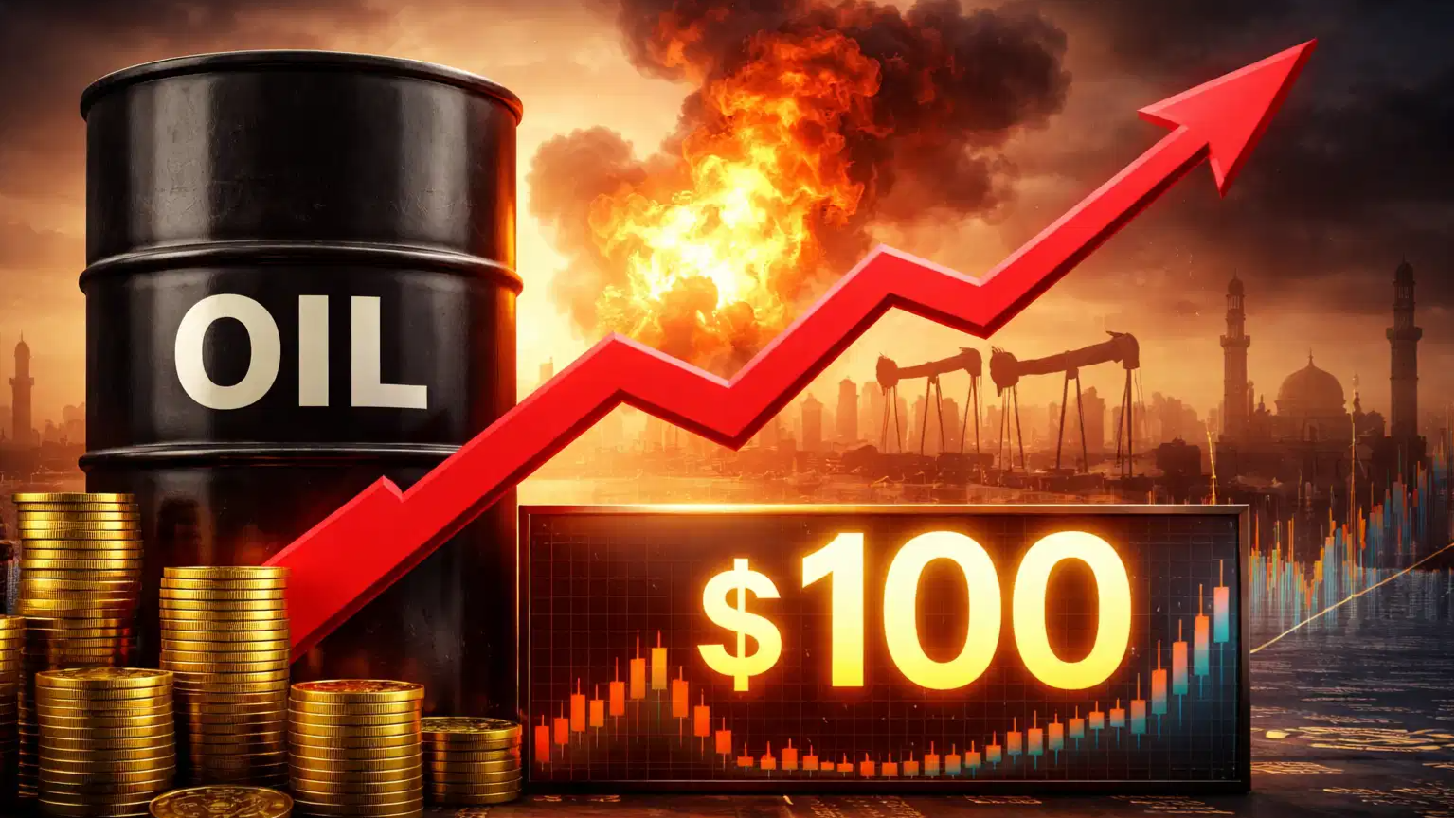
Global crude oil prices have risen above the $100 per barrel mark once again due to increasing tensions in the Middle East region.
Brent crude oil futures have risen above the $100 per barrel mark in international trading, while US crude oil prices have also risen sharply following the ongoing conflict between Iran, the US, and Israel.
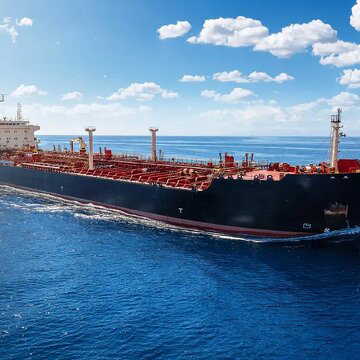
Energy analysts have stated that fears of possible disruptions to crude oil shipping routes have caused crude oil prices to rise. The waterway is one of the most critical crude oil shipping routes in the world and transports a huge share of crude oil exports from the region.
Also Read | Why is India on the US trade probe list with 15 other economies? Here’s all we know
Fears over supply disruptions push prices higher
The oil markets continue to be volatile in recent days, owing to the escalation of the conflict in West Asia. The markets are showing signs of increased concerns that the conflict could affect the supply of oil from major oil-producing nations in the region.
According to market analysts, if there is any threat of disrupting the movement of oil tankers through the Strait of Hormuz, it could affect the supply of oil to the international market. Some of the Gulf nations, including Saudi Arabia, the United Arab Emirates, and Kuwait, depend on this route for transporting their crude oil supplies to the international market. The mere threat of disruption of this supply is causing a surge in the price of crude oil, as people are seeking supplies in anticipation of future supply problems. Energy traders are also showing signs of increased insurance costs for shipping and security risks faced by oil tankers in the region.
Impact on global markets and consumers
The latest oil price hike is likely to have a ripple effect on the global economies. India, being one of the largest crude oil importers in the world, is vulnerable to the increasing oil prices. This is because the country imports a significant volume of its oil requirements. Analysts have stated that the oil price hike may result in fuel price hikes.
If the tensions between the two countries escalate or shipping routes are affected, the fuel prices may remain high over a long period of time. Financial markets are closely monitoring the developments on the conflict. This is because the conflict may have a long-term impact on the global trade.
Also Read | Stocks to buy and sell today: Analysts flag selective trading opportunities
What analysts are watching next
Experts in the field of energy say that the direction that oil prices will take in the coming days will be dictated by how the current geopolitical tensions play out in the region. If tensions escalate, especially in areas where oil infrastructure is involved, then oil prices may rise again.
Currently, oil traders are being cautious, with many people keeping a watchful eye on events in the Gulf region and on military activities in areas where oil infrastructure is involved.