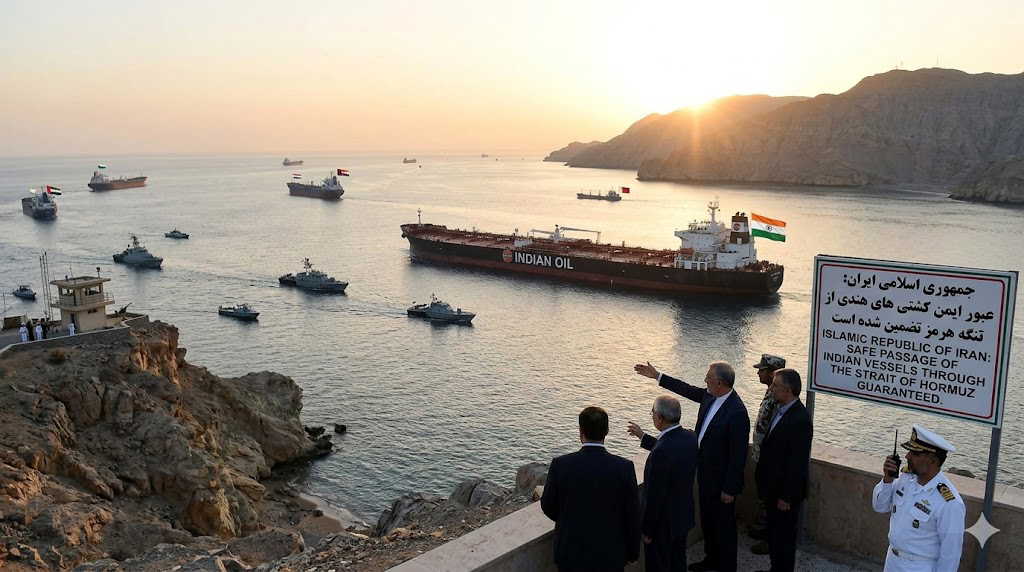
The Iranian ambassador to India, Mohammad Fathali, stated that Tehran would ensure that Indian interests are safeguarded and provide safe passage for Indian vessels through the Strait of Hormuz, despite the immense conflict in the region.
While speaking to reporters in Delhi on March 13, Mr Fathali stated that India would be granted safe passage because the two countries have close ties and share similar interests in the region. And within the next two or three hours, the passage through Hormuz would be resolved for the Indian vessels.
Subheading: India’s relief following the official declaration by the Iranian officials.
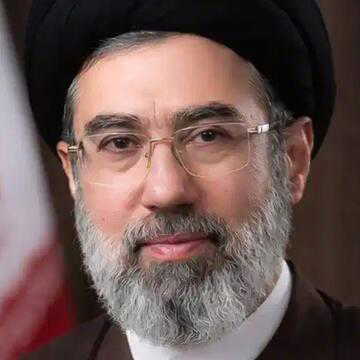
The remarks by Iranian officials come at a time when speculation about India's energy and resource supply through the Hormuz Strait has become a concern. Additionally, the remarks of Ayatollah Mojtaba Khamenei after his ascent to power, calling for using the Hormuz Strait to pressurise the opposition, further heightened apprehensions.
Rising oil prices, purchasing oil at higher rates, and domestic shortages were among the concerns that weighed on the minds of Indian officials.
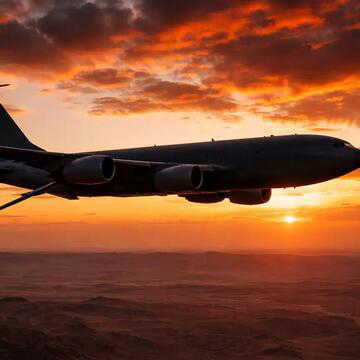
Also Read | US military tanker, KC-135, crashes in Iraq, all 6 crew members confirmed dead
News reports circulated on March 12 from an undisclosed source claimed that India would be relieved on the Hormuz Strait issue, and the reports yielded a fruitful outcome following the Iranian ambassador's comment.
Additionally, Abdul Majid Hakeem Ilahi, the official representative of the Supreme Leader of Iran to India, has informed that the waterway has not been officially closed but is facing operational constraints due to the ongoing conflict.
He informed the reporters in New Delhi that 'Iran has not closed the Strait. It remains open; however, due to current conditions and circumstances, ships are unable to pass through the Hormuz. Otherwise, Iran never wanted the Strait to be closed or blocked. Some ships are still passing through.”
Mr Ilahi also told the reporters that Iran had been pursuing diplomatic engagement with the US and did not intend to engage in a conflict.
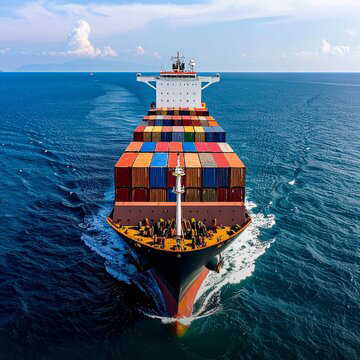
Also Read | First crude tanker since West Asia conflict reaches Mumbai via Strait of Hormuz; set to return to UAE
As the situation turns tense, with the associated economic and political crisis in the region and across the globe, this affirmation comes as an optimistic outcome for the diplomatic channels of the Indian government, which, too, since the beginning, have vocally campaigned for a peaceful resolution of disputes and minimising civilian casualties out of the war.